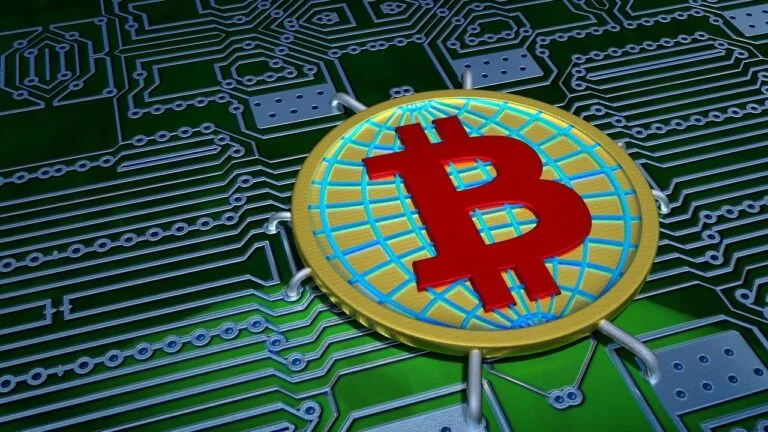

The modern investment landscape looks remarkably different today than it did just a decade ago. According to the Independent Reserve Cryptocurrency Index from 2025, approximately 31 percent of Australian adults, or roughly 6.2 million people, have owned digital assets. Furthermore, data compiled by venture firm Andreessen Horowitz revealed that Australians generate the highest per-capita web traffic globally for cryptocurrency trading and speculation. This massive local exposure to high-beta tech investments has created a generation of traders highly skilled at navigating digital exchanges and complex blockchain ecosystems. However, the extreme volatility seen in equity and crypto markets over the past two years has prompted a noticeable shift in strategy. Today, high-net-worth tech investors are increasingly reallocating a portion of their digital-heavy portfolios into tangible safe havens to counteract market turbulence.
The Need for an Offline Hedge in a Digital World
Initially, digital currencies were championed as a completely independent market hedge that would sit outside the traditional banking system. The reality has proven to be much more complex. Following the successful introduction of Spot Bitcoin ETFs throughout 2024 and 2025, cryptocurrency prices became heavily correlated with traditional equity market hours and institutional capital outflows. For those looking to build a resilient and balanced financial plan, relying exclusively on screen-based assets leaves portfolios highly exposed to macroeconomic shocks. This fundamental shift diminished the original appeal of digital assets as a standalone safety net during periods of severe economic stress.
Leading Australian economists noted in late 2025 that while major digital assets suffered sharp corrections due to global tariffs and leveraged margin calls, traditional safe-haven commodities experienced steady appreciation. Relying on a purely digital portfolio can multiply your risks when both the tech sector and crypto markets drop simultaneously. During these periods of extreme volatility, even the most robust technology stocks have shown susceptibility to broader market panic, proving that diversification must extend beyond digital borders. A well-diversified approach mitigates these compounded vulnerabilities significantly.
A Physical Approach to Micro-Investing
Younger investors, particularly Millennials and Gen Z, have built their wealth using mobile applications that champion fractional shares and micro-investing. Transitioning from this digital-first mindset to holding physical commodities might seem like an immense leap, but the precious metals industry has cleverly adapted to meet this new demand. Purchasing a 10gram gold bar allows retail traders to enter the physical metals market without needing to commit massive amounts of capital upfront. Retail interest in precious metals has seen a sustained revival in Australia because investors can now purchase manageable, smaller denominations that perfectly mimic their digital micro-investing habits.
This specific bar size serves as an accessible and highly liquid entry point for digital natives who are looking to secure their crypto profits offline. By purchasing these smaller units consistently, modern investors can build a physical portfolio using the exact same dollar-cost averaging principles they apply to their cryptocurrency accounts. This bridges the gap between fast-paced digital speculation and long-term tangible wealth generation. Over time, accumulating physical metals in these accessible increments provides a tangible foundation that effectively supports high-risk trading activities without requiring a radical overhaul of personal investing philosophies.
Why Tangible Assets Are Back in Favour
A recent market analysis highlighted a great decoupling between digital and physical safe havens. This divide has exposed the core vulnerabilities inherent in keeping all your wealth online. There are several compelling reasons why tech-focused investors are actively returning to offline commodities:
- Direct Self-Custody: Unlike purely digital holdings where a lost private key, phishing scam, or exchange insolvency can result in total asset loss, tangible assets offer absolute ownership without any digital vulnerabilities.
- Tax Management: The Australian Taxation Office strictly regulates cryptocurrency as an asset subject to Capital Gains Tax. Many traders choose to lock in their digital gains and roll them into physical commodities to better manage overall portfolio risk.
- Infrastructure Independence: Physical commodities do not rely on internet connectivity, software updates, or platform solvency to retain their intrinsic value over time.
- Regulatory Relief: With financial bodies like the Australian Securities and Investments Commission continuously warning retail investors about digital risks, physical commodities offer a universally recognised alternative that sits safely outside the regulatory crosshairs.
Global Trends Supporting the Shift
This deliberate movement away from exclusively digital portfolios is not just a localised Australian phenomenon. Global macroeconomic data clearly demonstrates a rapidly rising preference for tangible wealth protection. The World Gold Council recently reported that global demand hit a record 4,974 tonnes in 2024, driven heavily by a massive surge in physical bar investment as individuals actively sought a reliable risk hedge amidst ongoing economic uncertainty. When digital assets enter severe consolidation phases, offline commodities historically step up to anchor the broader portfolio.
Bridging the Digital and Physical Divide
Successfully managing modern wealth requires acknowledging both the strengths and the inherent weaknesses of different asset classes. Cryptocurrencies and technology stocks offer exceptional growth potential, yet they carry significant systemic risks tied to software and market sentiment. By actively reallocating a small percentage of digital profits into universally accepted tangible assets, today’s tech-savvy investors are creating truly resilient financial safety nets. The physical realm continues to offer unique advantages that simply cannot be replicated by lines of code. This offline anchor ensures that no matter what happens to the blockchain, the electrical grid, or the broader digital economy, a vital portion of their wealth remains safe, secure, and entirely within their physical control.