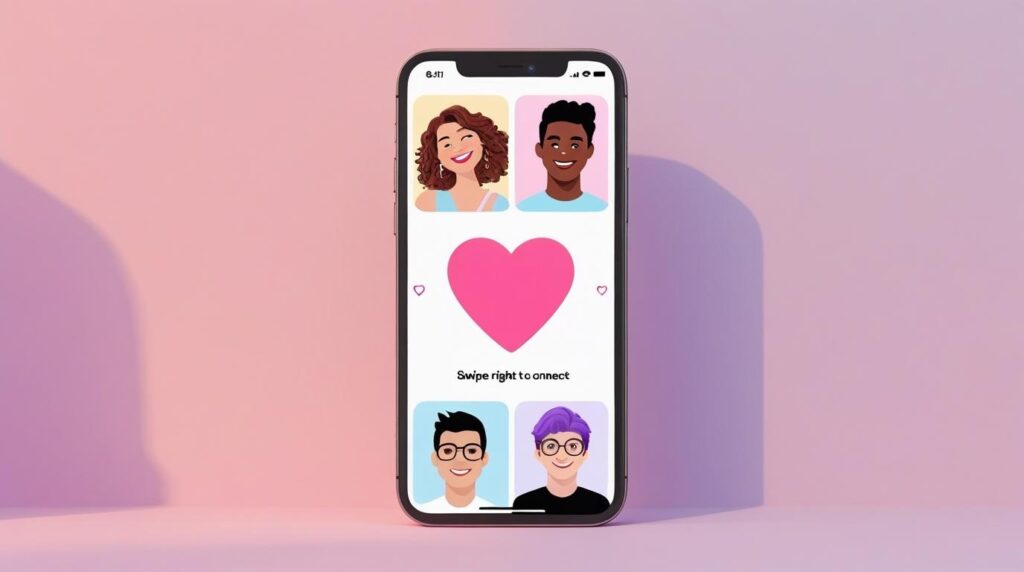
The online dating industry continues to expand rapidly, driven by mobile-first users and evolving relationship trends. For startups looking to enter this dynamic market, launching a tinder clone app can be a strategic way to capitalize on proven business models while introducing unique innovations. However, investing in a dating platform requires more than replicating swipe-based functionality.
Before diving into tinder clone app development, startups must understand the technical, legal, operational, and marketing considerations involved. This guide outlines everything you need to know before investing in a scalable and competitive dating solution.
Understanding the Tinder Clone App Business Model
A tinder clone is essentially a dating platform inspired by the popular swipe-based matching system. However, successful startups go beyond imitation. They identify niche markets, integrate unique features, and build strong user communities.
Before investing in a tinder clone app, consider:
- Your target audience (age group, interests, location)
- Niche focus (serious relationships, casual dating, professional networking, LGBTQ+ communities, etc.)
- Revenue model (subscriptions, in-app purchases, ads)
- Geographic market strategy
A clear business model ensures that your professional tinder clone app development project aligns with market demand and long-term goals.
Choosing Between Custom and White Label Solutions
Startups typically face two main options: custom development or a white label tinder clone app.
White Label Tinder Clone App
A white label solution is a ready-made platform that can be rebranded and customized. It offers:
- Faster time to market
- Lower upfront cost
- Pre-built core features
This is ideal for startups with limited budgets or those testing the market with a Minimum Viable Product (MVP).
Custom Tinder Clone App Development
Custom development provides greater flexibility and scalability. With tailored features, UI/UX customization, and advanced integrations, your platform can stand out in a crowded market.
If you aim for long-term growth and unique differentiation, investing in professional tinder clone app development may be the smarter choice.
Essential Features for a Competitive Dating App
A successful tinder clone app requires more than swipe-right functionality. To compete effectively, your platform should include:
1. Secure User Registration
Allow sign-up through email, phone, or social media with strong verification systems.
2. Advanced Matching Algorithms
Use AI-driven compatibility systems for personalized matches.
3. Real-Time Chat and Video Calling
Seamless communication enhances user engagement.
4. Geolocation Services
Location-based matching improves relevance.
5. Profile Customization
Allow users to add photos, bios, interests, and preferences.
6. Privacy Controls
Provide users with data control and visibility settings.
7. Push Notifications
Keep users engaged with match alerts and updates.
A reliable tinder clone app development partner ensures these features are built securely and efficiently.
Prioritizing Security and Data Privacy
Dating apps handle sensitive personal information, making security a top priority. Startups must implement:
- End-to-end encryption
- Secure authentication methods
- GDPR or regional data compliance
- Regular vulnerability testing
Professional development teams specializing in professional tinder clone app development integrate robust security frameworks to protect users and maintain trust.
Monetization Strategies for Dating Apps
Before investing, startups must define how the app will generate revenue. Popular monetization models include:
- Subscription plans (monthly, quarterly, yearly)
- Premium features (boost profiles, unlimited swipes)
- In-app purchases
- Advertising partnerships
A well-structured monetization plan ensures your tinder clone app becomes profitable while maintaining a positive user experience.
Technology Stack and Scalability
Your technology choices determine your app’s performance and scalability. Discuss with your development partner:
- Native vs cross-platform frameworks
- Cloud hosting infrastructure
- Backend scalability
- Real-time messaging architecture
- Payment gateway integration
Startups planning rapid growth must ensure their tinder clone app development process includes scalable backend solutions capable of handling high user traffic.
User Experience and Design Matters
In the competitive dating industry, first impressions matter. A visually appealing and intuitive interface increases user retention.
Professional white label tinder clone app solutions often provide customizable UI/UX designs. However, custom-built platforms allow deeper personalization to reflect your brand identity.
Focus on:
- Smooth swipe functionality
- Fast loading speed
- Easy navigation
- Minimalistic design
- Accessible features
A user-friendly experience directly impacts user engagement and app store ratings.
Marketing and User Acquisition Strategy
Even the best app will fail without effective marketing. Before investing, plan your launch strategy.
Key marketing tactics include:
- App Store Optimization (ASO)
- Social media campaigns
- Influencer partnerships
- Referral programs
- Paid digital advertising
Startups should also consider niche dating app SEO strategies to improve organic visibility for long-tail keywords like “best niche dating app” or “AI-powered matchmaking app.”
Budget Planning and Cost Considerations
The cost of building a tinder clone app varies depending on:
- Feature complexity
- Design requirements
- Development location
- Platform choice (Android, iOS, or both)
- Post-launch support
While a white label tinder clone app may cost less initially, custom solutions provide long-term flexibility. Carefully balance upfront investment with scalability and revenue potential.
Post-Launch Maintenance and Updates
Launching your app is just the beginning. Continuous improvement is crucial for success.
Ongoing requirements include:
- Bug fixes and updates
- Security enhancements
- Feature upgrades
- Performance optimization
- Server maintenance
A reliable partner offering professional tinder clone app development will provide long-term maintenance services to keep your platform competitive.
Legal Considerations and Compliance
Startups must address legal aspects before launching a dating platform:
- Clear terms and conditions
- Privacy policy compliance
- Age restrictions
- Content moderation guidelines
- Data protection regulations
Ignoring compliance can lead to penalties and reputational damage.
Building a Unique Value Proposition
The dating app market is crowded. Simply replicating a tinder clone model is not enough. Startups must differentiate their platform through:
- Niche targeting
- Unique matching algorithms
- Community-building features
- Gamification elements
- AI-driven compatibility scoring
Investing in customized tinder clone app development ensures your platform delivers unique value rather than being another generic dating app.
Final Thoughts
Investing in a tinder clone app can be a lucrative opportunity for startups entering the online dating industry. However, success requires strategic planning, technical expertise, and a strong marketing approach.From choosing between a white label tinder clone app and custom development to implementing robust security measures and scalable architecture, every decision impacts long-term growth. Partnering with experts in professional tinder clone app development ensures your platform is secure, user-friendly, and scalable. By combining innovative features, strong branding, and effective monetization strategies, startups can build a competitive dating app that stands out in 2026 and beyond. With careful planning and the right development partner, your dating app idea can evolve into a thriving digital business.