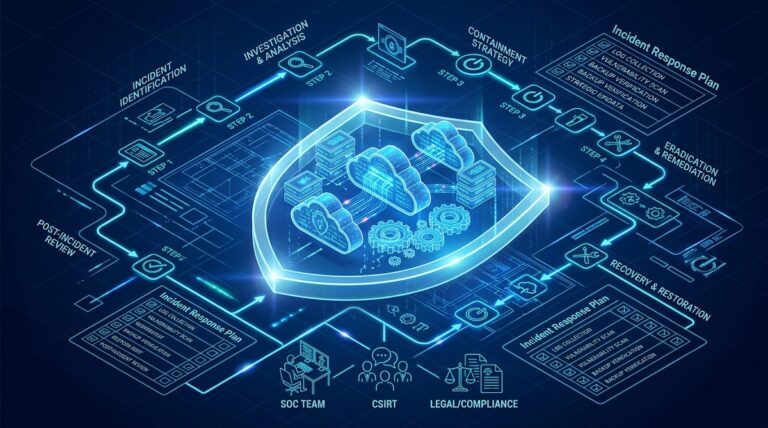

The air cargo industry is growing more reliant on interlinked digital systems, data exchange tools, automation, and real-time tracking of shipments, thus creating both opportunities and cybersecurity threats. According to IATA, the three elements; digitalisation, standards on a global scale, and safety and security are considered to be crucial for the air cargo industry, while ICAO stresses that the increase in interconnections and data exchange calls for a cross-domain approach to aviation cybersecurity. As a result, cybersecurity becomes a necessary supplement to traditional screening and protective measures, reinforcing the whole air cargo security and screening systems market.
Cyber Threat Environment in Air Cargo Continues to Evolve
The growing digitization of air cargo is making the sector more vulnerable to cyberattacks. Cargo activities involve the use of information systems that are connected, documentation in a digital format, data exchange platforms, airport infrastructure, logistics, and third-party IT suppliers. The International Air Transport Association (IATA) considers cybersecurity an important aspect as air cargo is becoming even more digitalised and the sharing of data becomes a key aspect of the supply chain. ENISA has named ransomware, data-based threats, malware, denial-of-service attacks, phishing, and supply chain attacks as major cyber threats in transport.
- Ransomware, Malware, and Denial-of-Service Attacks
Ransomware, malware, and denial-of-service attacks are growing cyber threats to the air cargo business, as these can interfere with systems involved in the processes of shipment, cargo handling, scheduling, documentation, and communication. Ransomware can deny the company access to important information and systems, while malware can help hackers to gain unauthorised access, modify data or control the systems for an extended period of time. Denial-of-service attacks can disable digital systems and render them unusable for the legitimate users. In addition, the effects can go beyond IT disruptions and include shipment delays, operational overload, financial loss, and problems with coordination of cargo.
- Data Breaches and Information Theft from Cargo Systems
One threat which is increasingly becoming a matter of concern due to increased interchange of cargo and operational information among various parties in air cargo operations is the occurrence of a data breach. Cargo systems hold information that may be valuable and used for malicious purposes in case of a data breach. This includes commercially sensitive information, shipment records, customer information, route information, security documentation, credentials and any other form of information that may be useful for malicious activities. In addition to this, there is an increasing trend towards consolidation of information through digitization which makes it more important than ever before to protect the information in question from any harm during its entire life cycle.
- Cyber Security Concerns Regarding Supply Chain and Third Parties
Air cargo is a complex system involving several organisations, such as airlines, airports, freight forwarders, ground handlers, warehouse owners, customs authorities, technology vendors, and logistics companies. The existence of many partners in this process may create vulnerabilities in terms of cybersecurity. The lack of cybersecurity standards in one of the vendors, software suppliers, cloud services, or logistics companies may result in vulnerabilities that can be used as the route into systems related to cargo operations. Moreover, small suppliers may not have enough resources to perform the necessary monitoring, testing, and reporting activities associated with cybersecurity. The need to protect against cyberattacks in such cases includes assessing the risk from the third party before establishing any digital links and throughout the interaction process.
- Cyber Threats Posed by Connected Cargo Management and Airport-Logistics Infrastructure
Increasing interconnectivity of cargo management software, airport and logistics systems, tracking systems, cloud software and digital data exchange platforms is making the operational environment more interconnected. Such interconnected systems will allow for improved visibility, coordination, automation, and processing but at the same time will increase interdependencies among the organisation or technology itself. A hacked account, vulnerable interface, compromised connection, or an exposed application will therefore be able to disrupt several processes or parties. As digital cargo solutions started becoming more dependent on data exchange standards and near real-time information sharing, the availability and integrity of such systems become even more crucial.
Improving Cybersecurity through Risk Management and Digital Security
Securing cybersecurity for air cargo transportation entails following a strategic process that links governance, technology, skills of the staff, and readiness of operations. It should not be just about using specific security mechanisms but rather identifying vital resources, assessing the possible impacts, developing suitable protection methods, and reviewing the state of security constantly. The aviation cybersecurity guidelines stress the importance of linking the cyber risk management process to safety and security, whereas information-security methodologies emphasise constant review and monitoring.
- Cyber Risk Assessment, Protection, and Continuous Monitoring: A complete cyber risk assessment would first involve the identification of systems and digital resources that are vital for the transportation of cargo, and the assessment of what the effects of such a compromise would be. Prioritisation of controls will be based on the probability and potential impacts of the various risks. The protection efforts would involve secure configuration, identity and access management, vulnerability management, network security, and security testing. Continuous monitoring will also be crucial since the system configurations, software, risks, and the operating environment keep changing all the time.
- Cybersecurity Training, Response and Resilience Planning: There must be enough protection if people do not understand when there is something wrong or how to respond to this situation. Cargo airlines should provide their staff with cybersecurity training, which would include using the system securely, social engineering skills, how to report any incident and what to do during any emergencies. It is also essential to have a plan that would include response procedures, roles for each person involved, communication channels, recovery priorities, and to conduct tests to see whether everything works properly. This way will help organizations to minimize the risk and recover after the event quickly.
- Securing Digital Cargo Information and Emerging Technologies: As cargo firms embrace cloud services, AI and automation, and other digital innovations, they need to integrate security from the very beginning of implementing technologies. Digital cargo data requires different levels of protection depending on the sensitivity and importance of the data in operations, and this includes the provision of security through ensuring confidentiality, integrity, availability, authentication, and authorized access. Security assessment of emerging technologies is important before implementation, especially when they are to be integrated with other important systems or third-party platforms. Firms should also be able to have an overview of data flow between applications and stakeholders.
Developing a Collaborative and Resilient Cybersecurity Framework for Air Cargo
International collaboration is necessary to achieve a standardised environment in terms of cybersecurity within the air cargo community. This is due to the fact that cargo, IT, and information systems operate across organisational and national boundaries. The inconsistencies in security needs may lead to vulnerabilities in the security system. Standardisation of the process, regulation, responsibility, and risk management will allow airlines, airports, cargo handling companies, freight forwarding agencies, and technology providers to have similar security approaches. Moreover, international frameworks will facilitate the implementation of cybersecurity as an element of safety and security plans in aviation.
Sharing information is another important area that could help enhance collective cyber resiliency. Threat information, vulnerability information, suspicious activities, and defensive measures against them can be shared by organizations to create greater resilience and prepare themselves for any incident. Information sharing can help the stakeholders get an insight into emerging risks and be proactive in protecting their resources before it affects multiple systems. Joint exercises can help test the communication lines and highlight any problems that can exist in this process. By not limiting themselves to their own cyber resilience, stakeholders can build mutual awareness and coordinated actions in protecting their cyberspace.
Securing Air Cargo’s Digital Future
With the increasing digitalization and interconnectivity in the sphere of air cargo, there is a need for the development of the field of cybersecurity in addition to traditional screening and security techniques. This can be achieved by enhancing the risk management process, securing digital infrastructure, training staff members, and adopting response measures. All these factors should also be combined with the continuous growth of the air cargo security and screening systems market, in which secure, connected, and reliable technologies are key. Pristine Market Insights recognises that the security of future cargo shipments will be dependent on the inclusion of technology security, resilience, regulation, and collaboration within the industry. A proper balance of both will allow for digital transformation and the security of information and infrastructure.